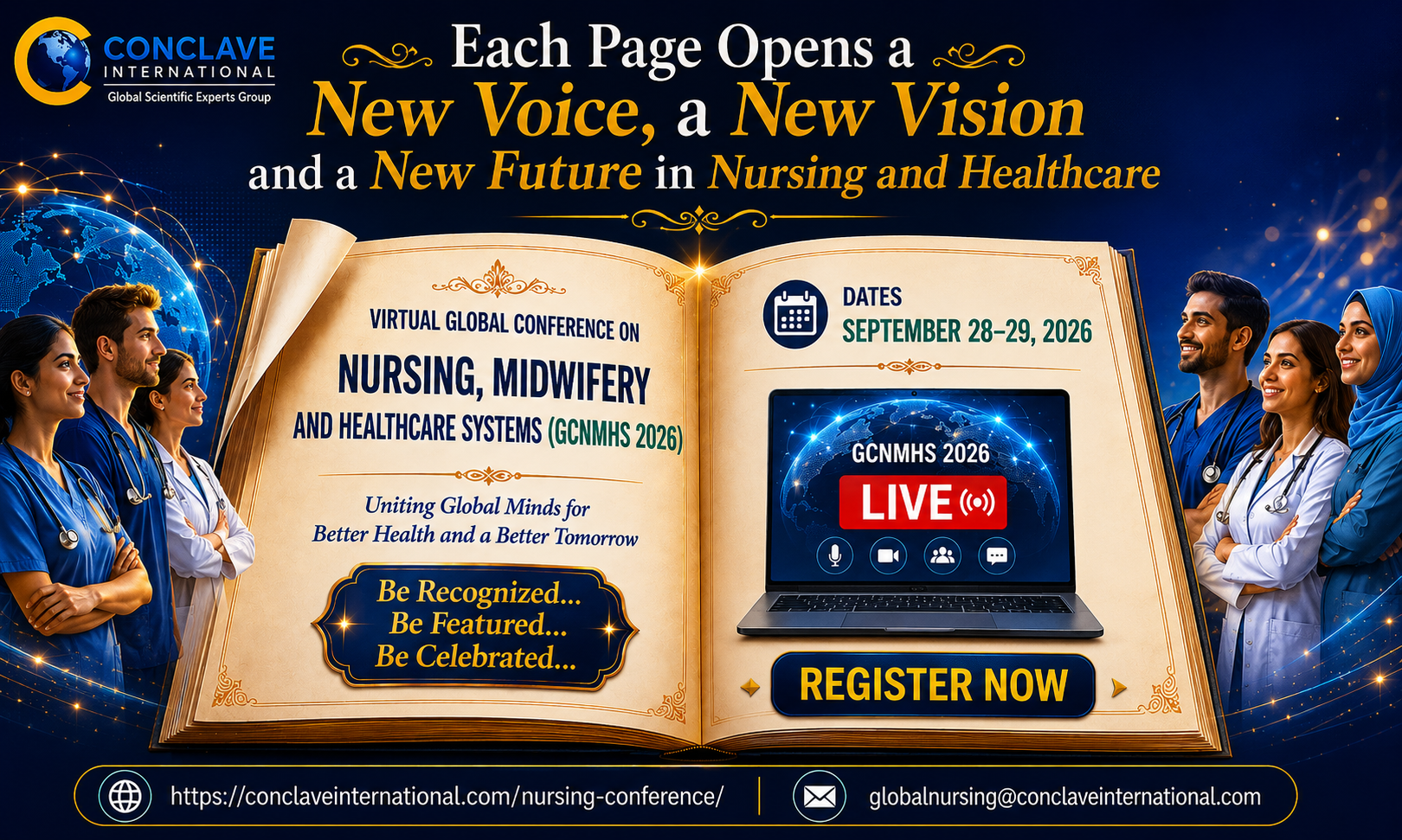
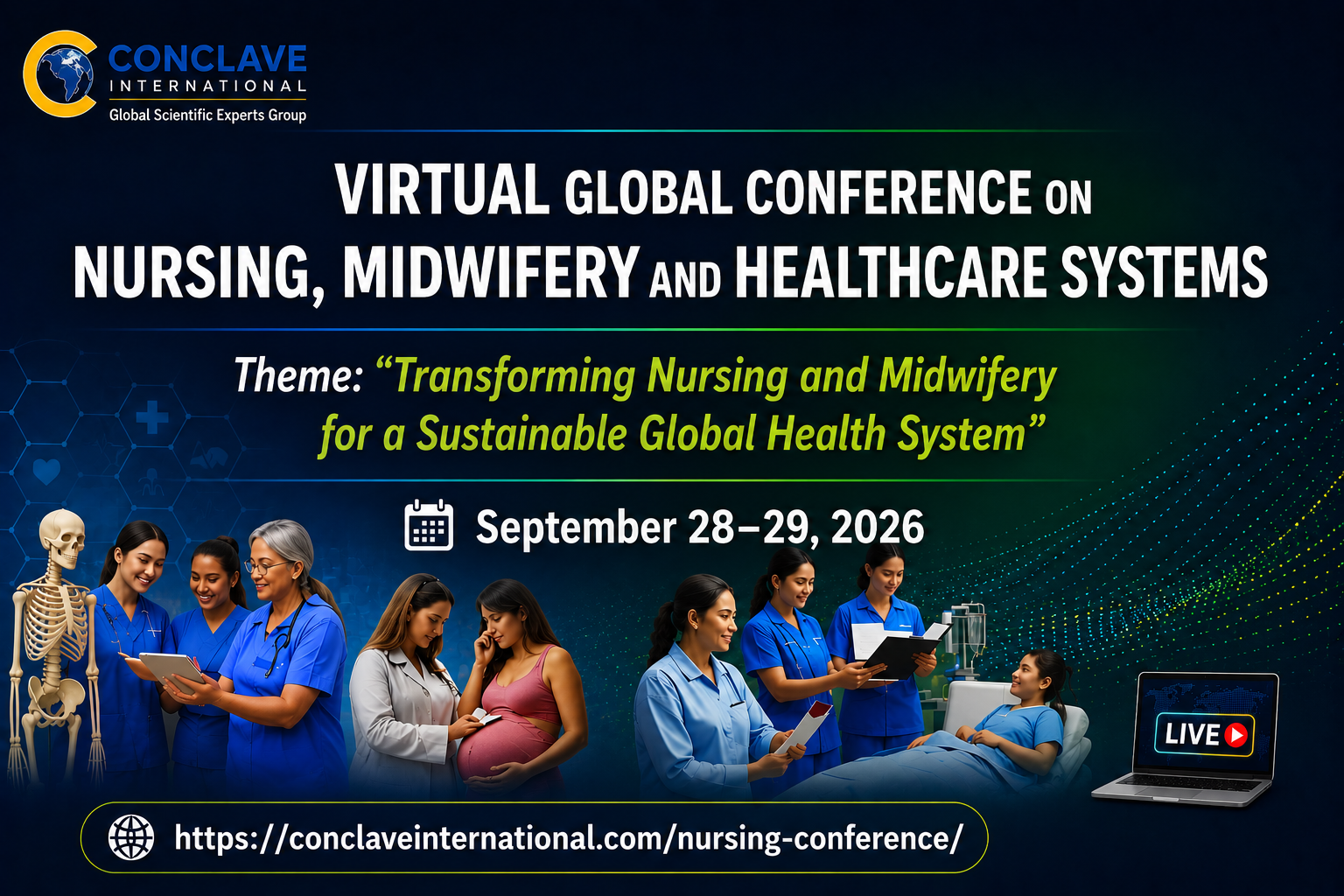
September 28-29, 2026
VIRTUAL GLOBAL CONFERENCE ON
NURSING, MIDWIFERY AND HEALTHCARE SYSTEMS
- Theme: "Transforming Nursing and Midwifery for a Sustainable Global Health System"
GCNMHS 2026 - At a Glance
- 📘 About the Conference
- 🌍 Scope and Importance
- 👥 Who Should Attend
- ⭐ Why You Should Attend
- 📚 Key Session Tracks
- 📊 Market Analysis
- 🗓️ Conference Schedule


Scientific Committee (Virtual)

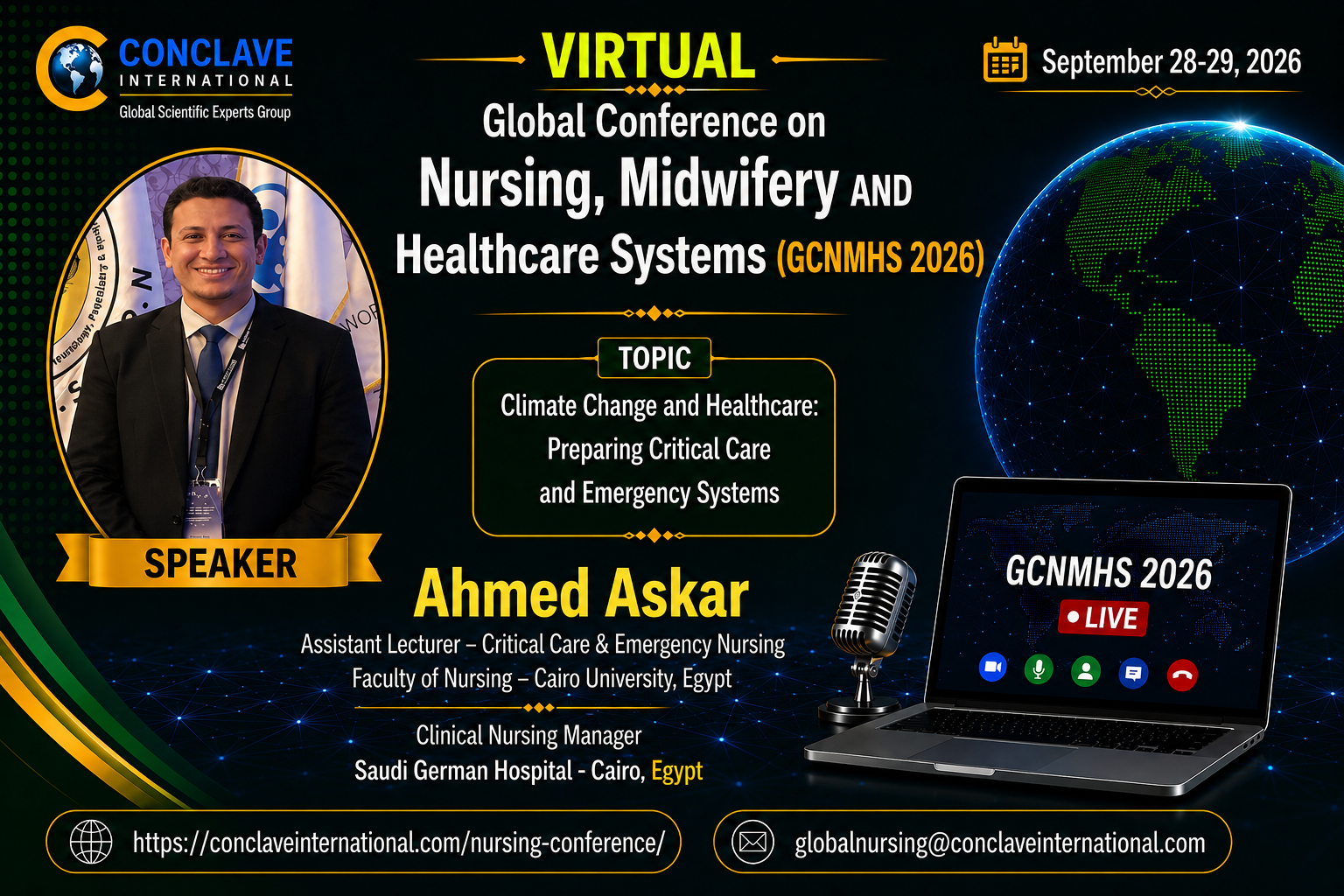
Ahmed Askar
Clinical Nursing Manager
Saudi German Hospital
Cairo, Egypt

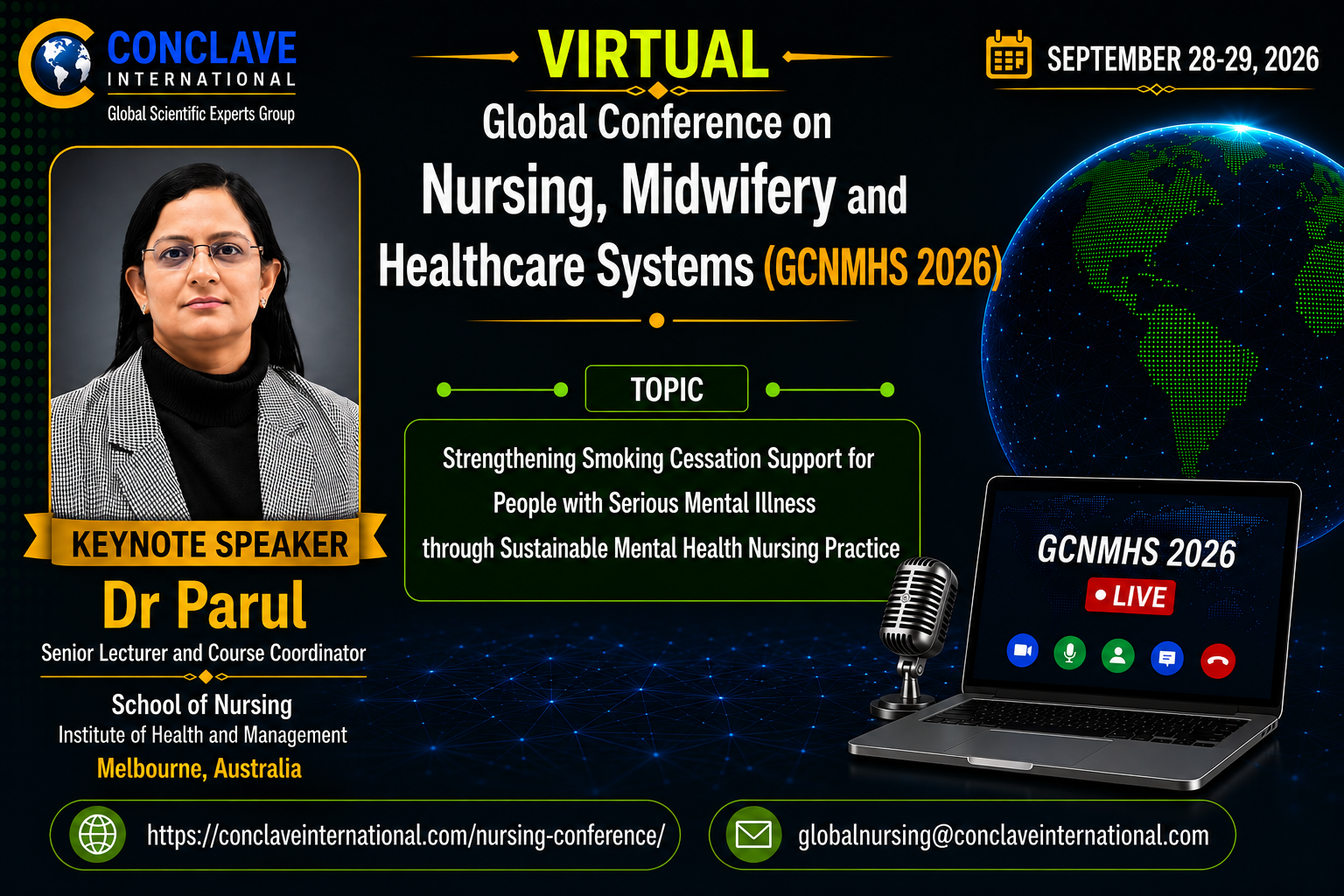
Dr Parul
Senior Lecturer
and Course Coordinator
Melbourne, Australia
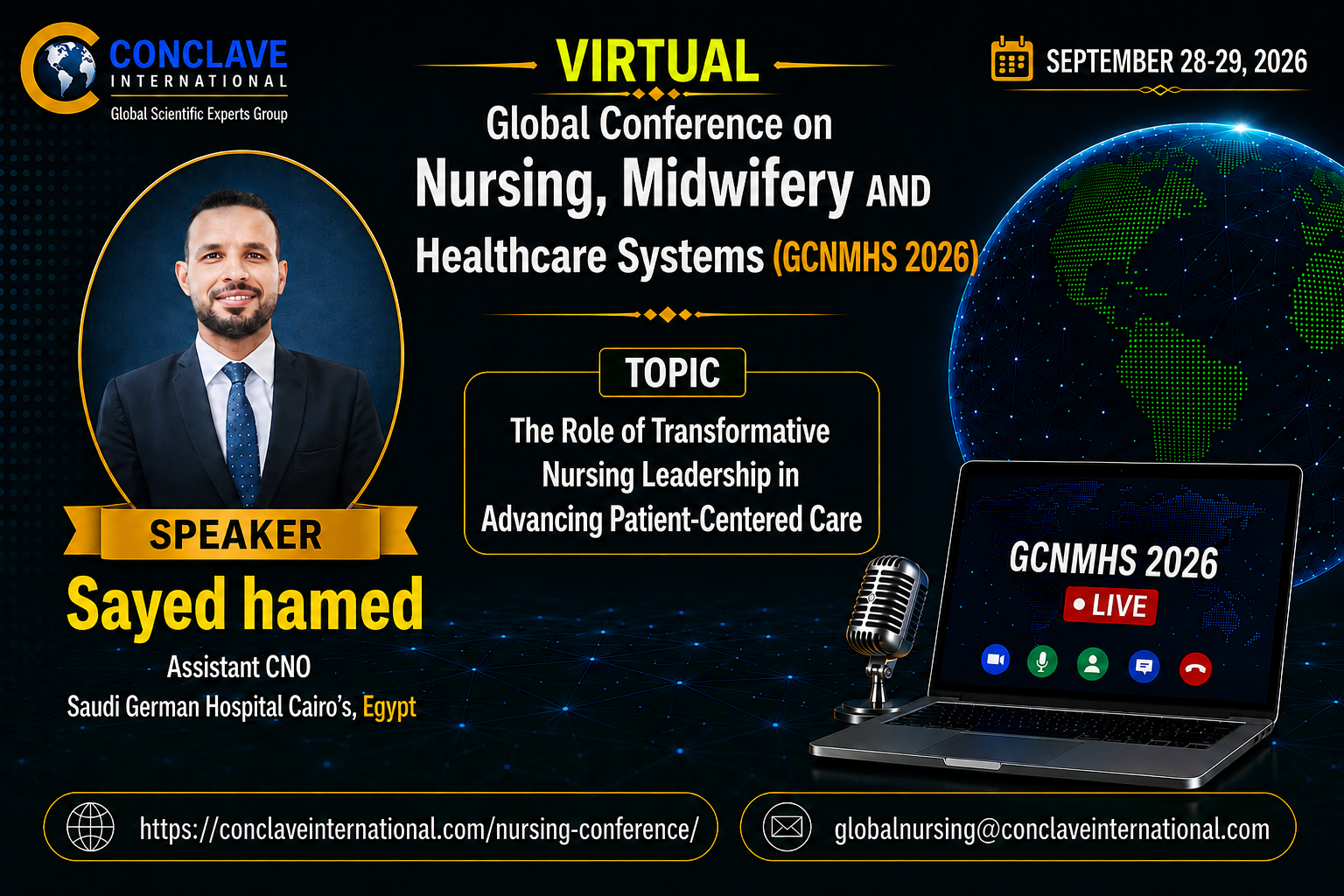
Sayed hamed
Assistant CNO
Saudi German Hospital
Cairo’s, Egypt

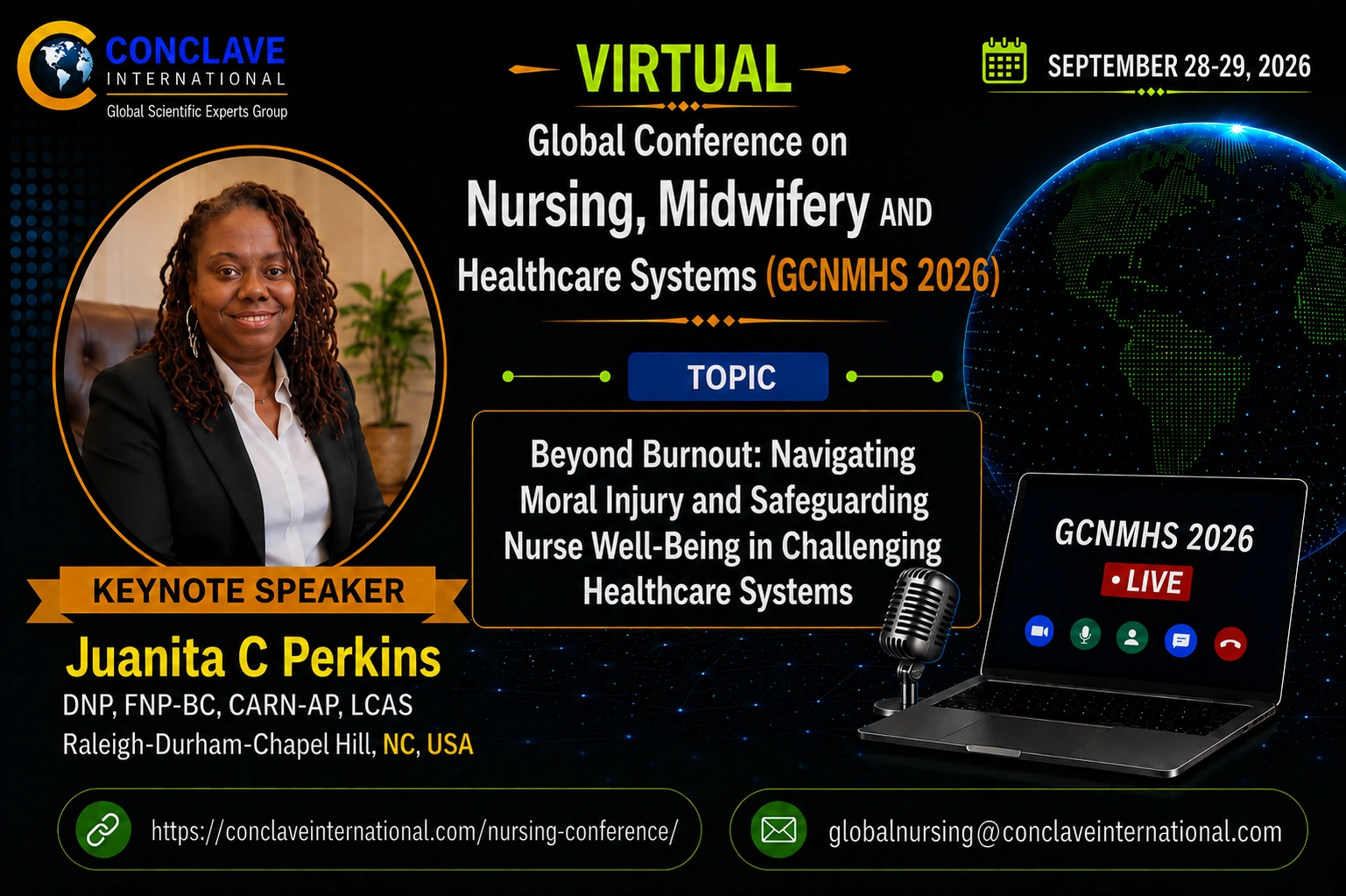
Juanita C Perkins
DNP, FNP-BC, CARN-AP, LCAS
Raleigh-Durham-Chapel Hill, NC USA

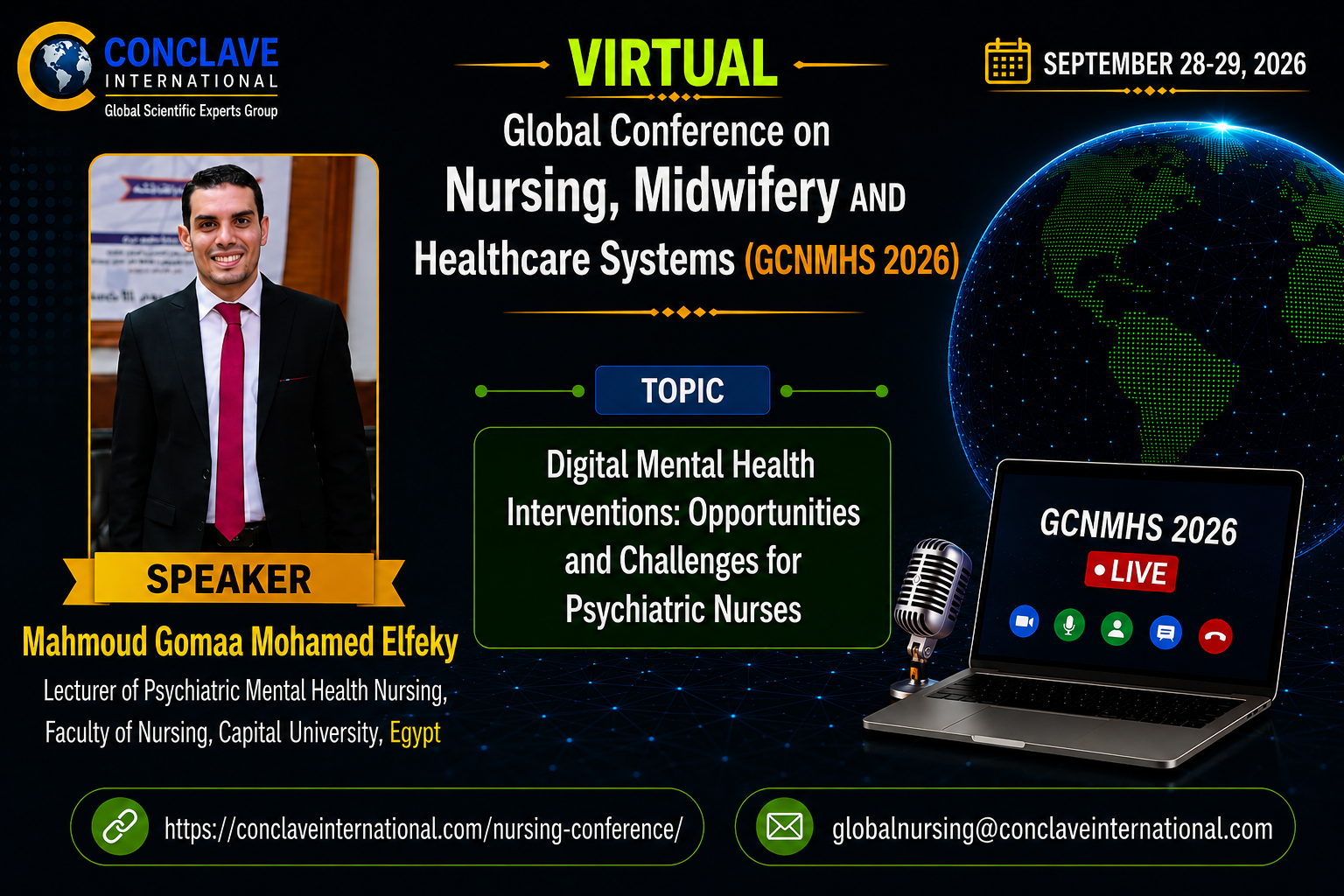
Mahmoud Elfeky
Lecturer of Psychiatric
Mental Health Nursing
Capital University, Egypt

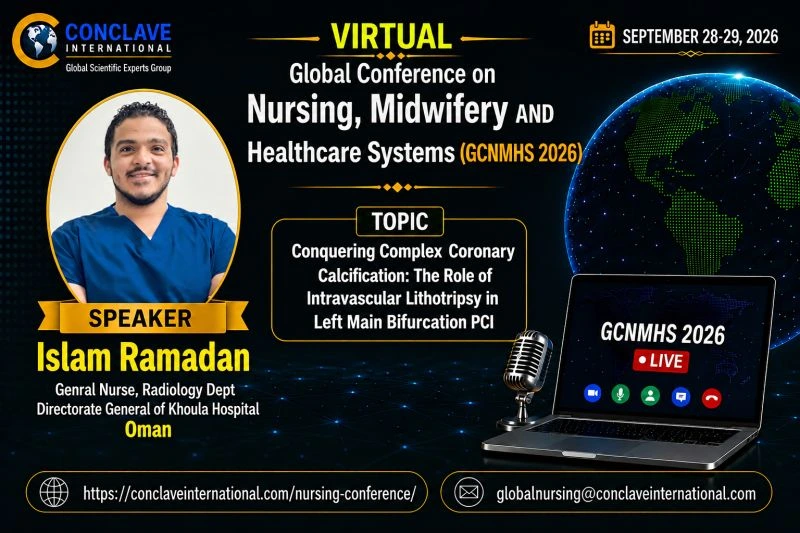
Islam Ramadan

Abdelhameed Elshenawy
Assistant Professor at Fujairah University, UAE

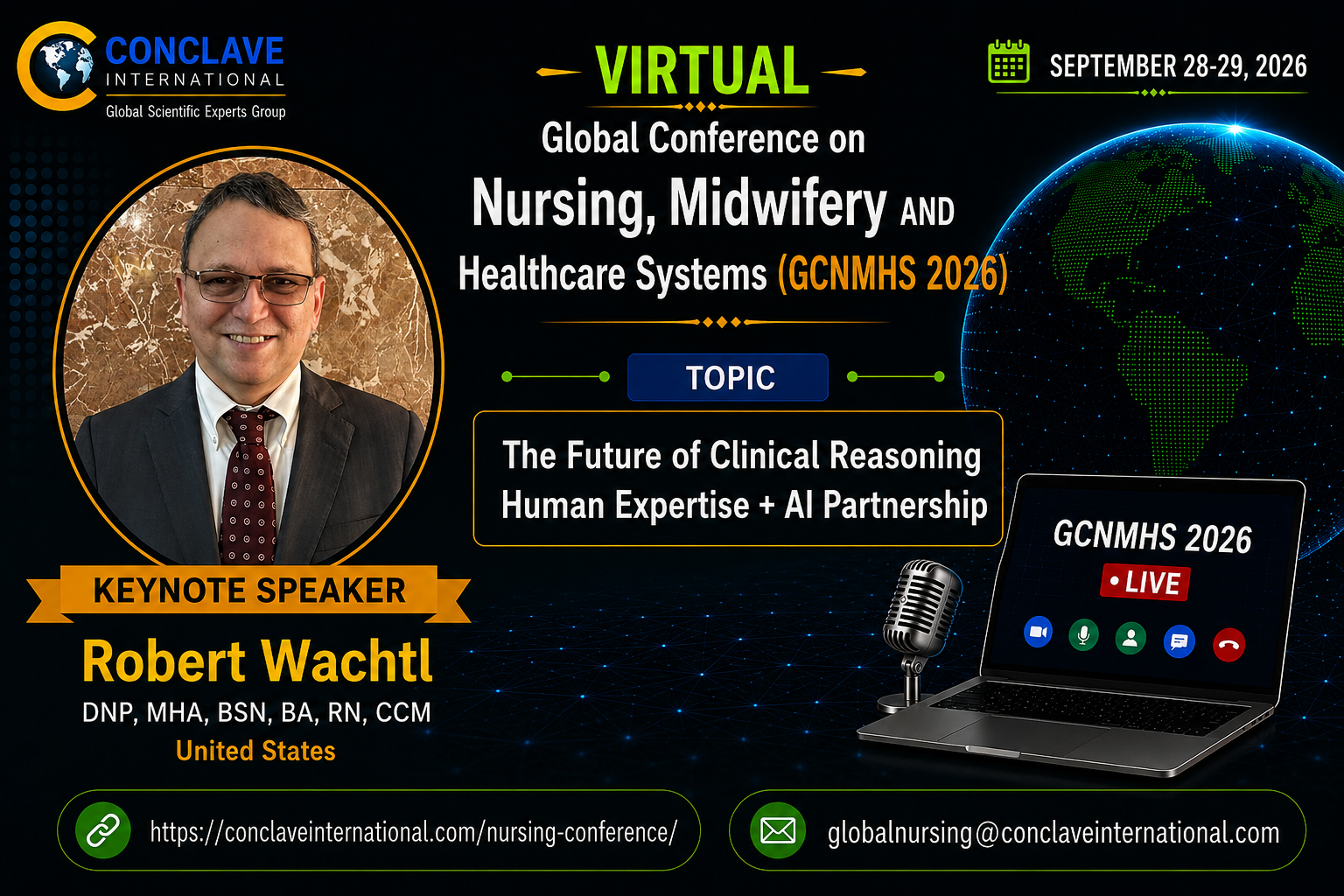
Robert Wachtl
DNP, MHA, BSN, BA, RN, CCM
United States

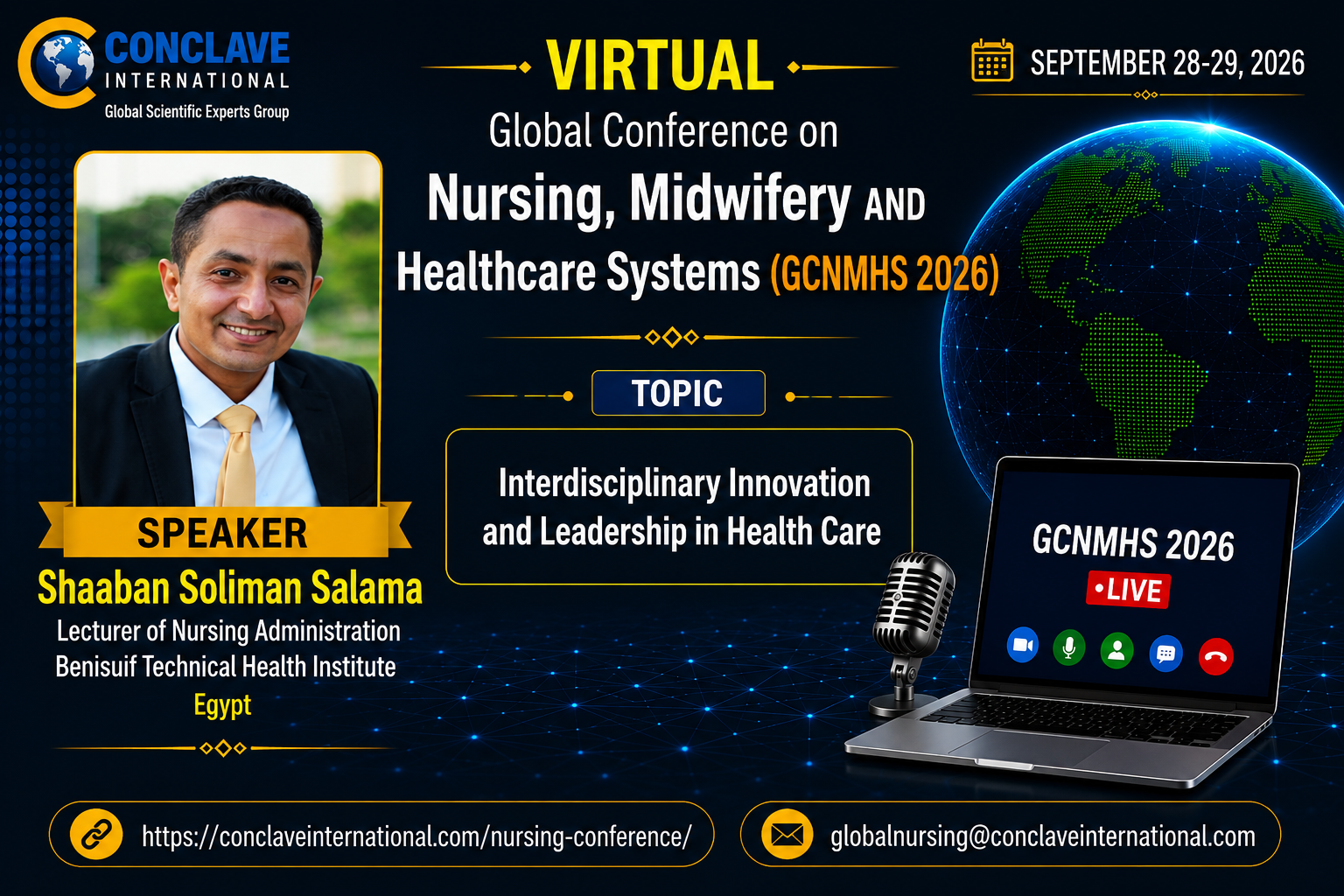
Shaaban Soliman Salama
Lecturer of Nursing Administration
Benisuif Technical Health Institute Egypt

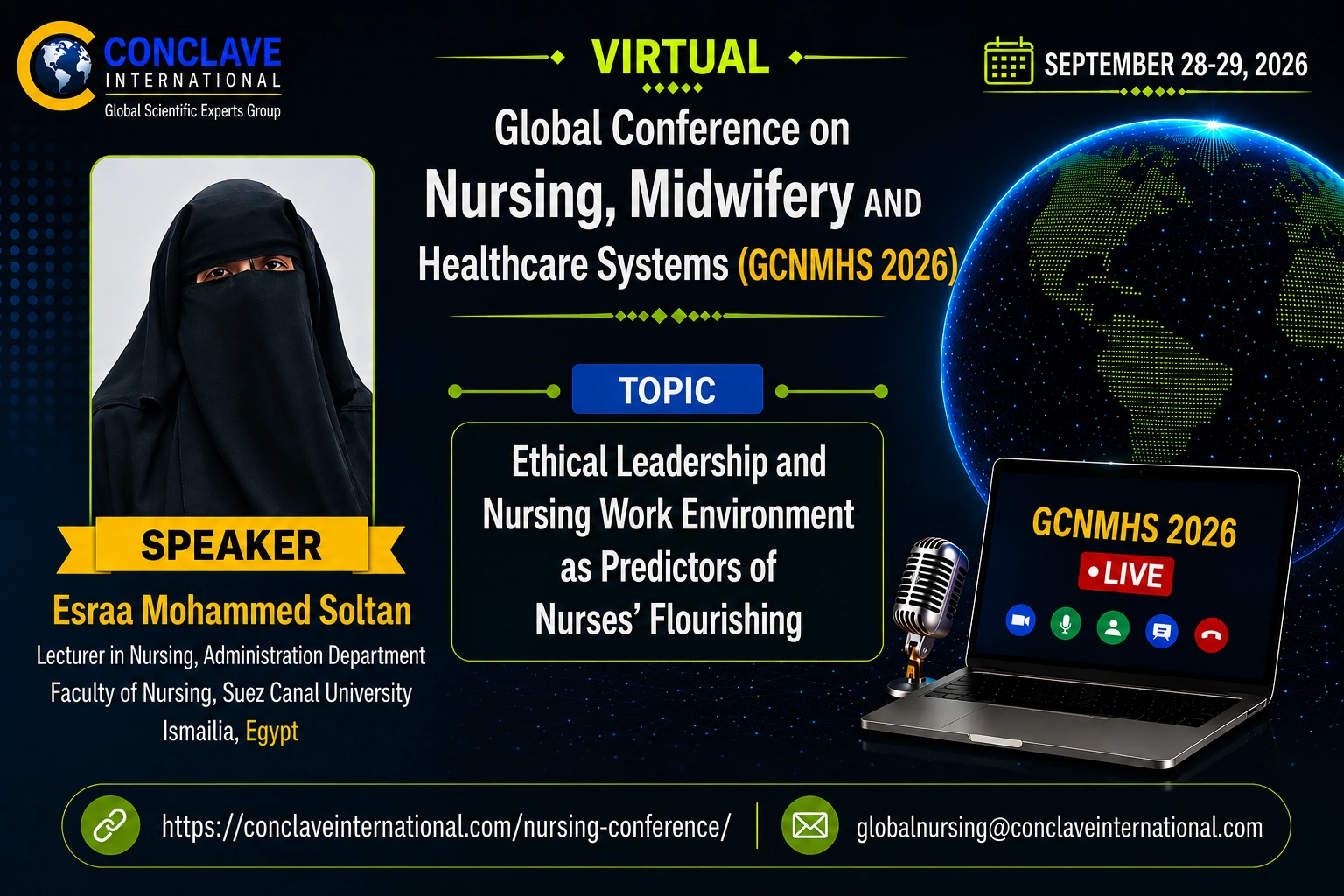
Esraa Mohammed Soltan
Suez Canal University, Egypt

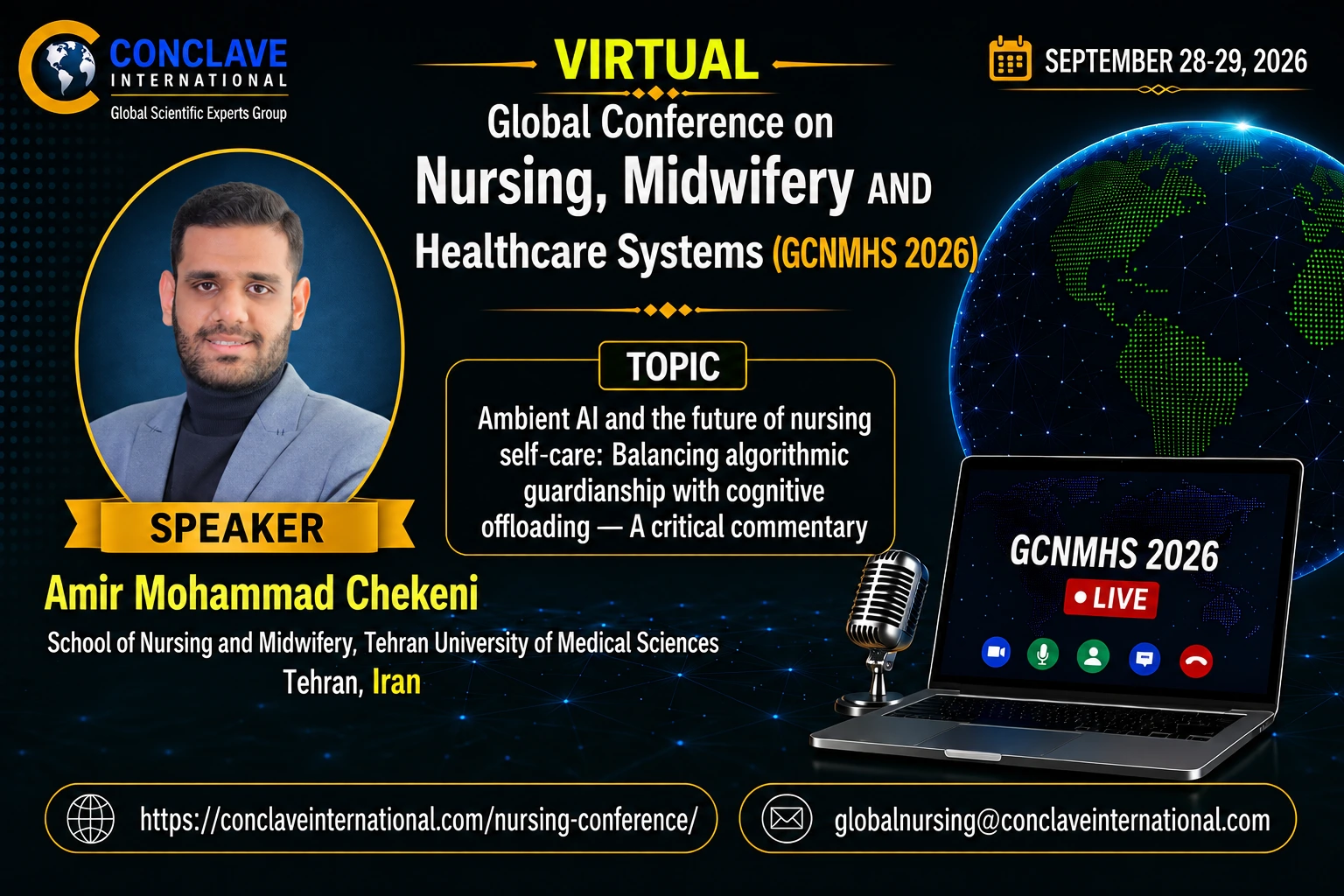
Amir Mohammad Chekeni
School of Nursing and Midwifery, Tehran University of Medical Sciences, Tehran, Iran

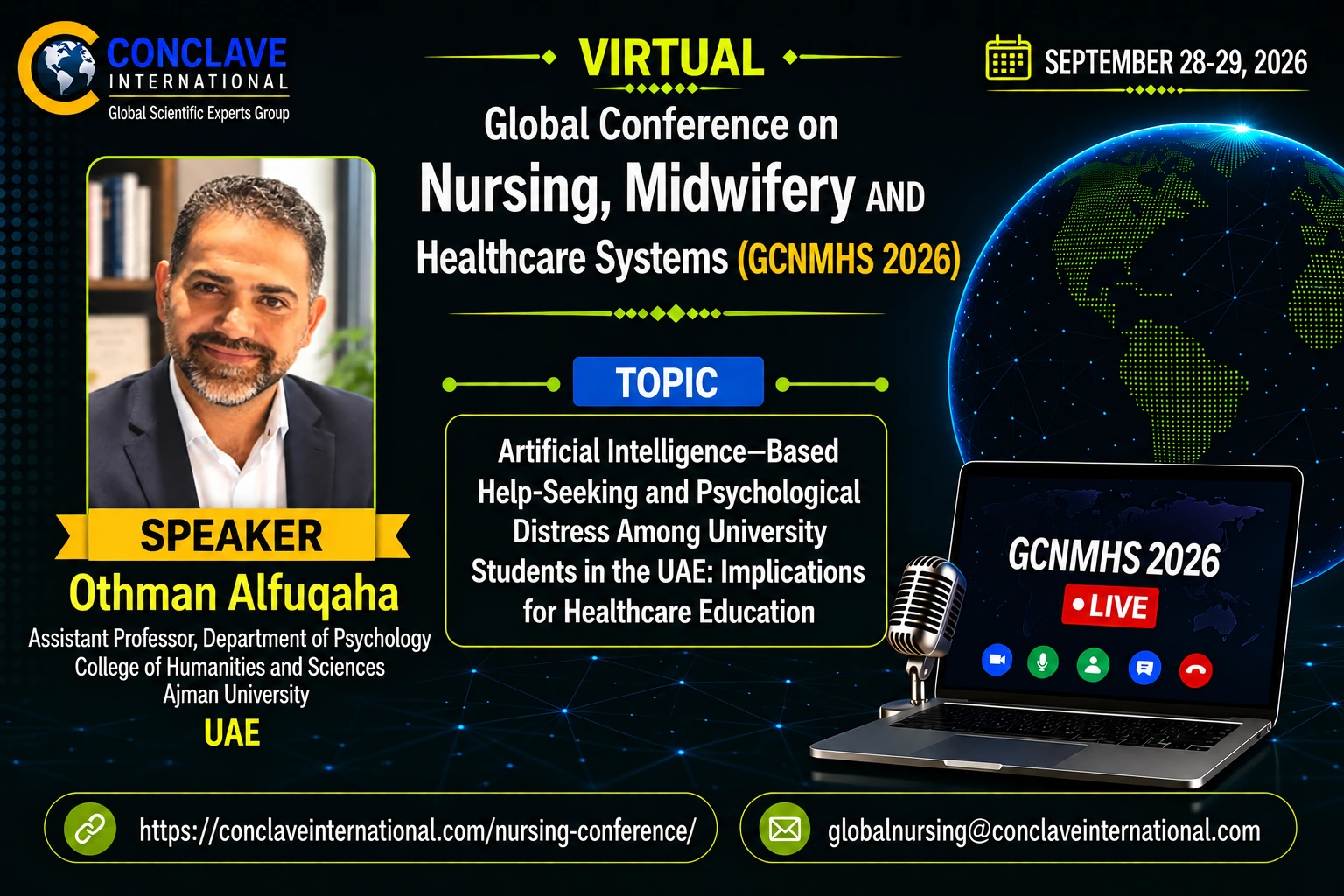
Othman Alfuqaha
UAE

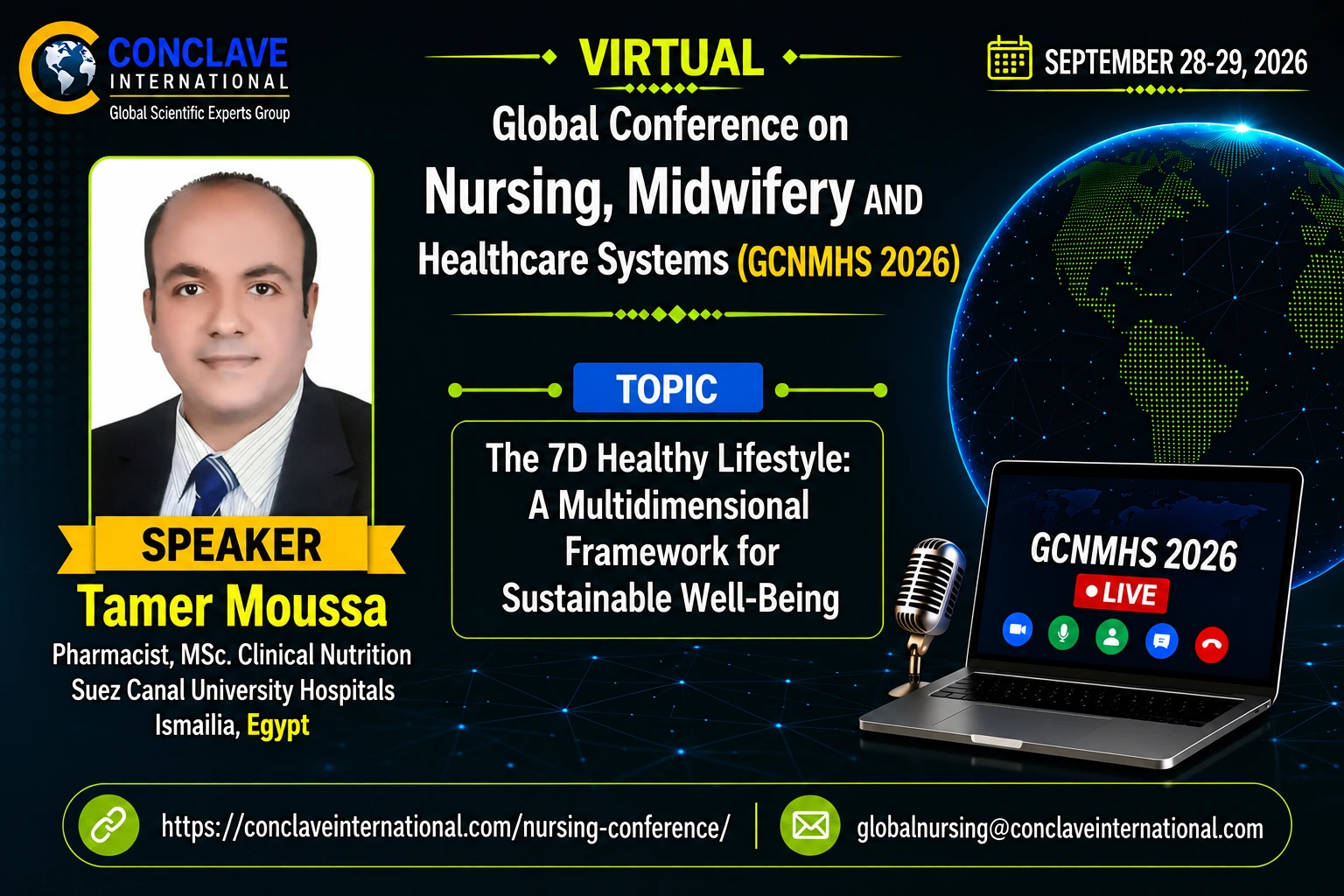
Tamer Moussa
Pharmacist, MSc. Clinical Nutrition Suez Canal University Hospitals, Ismailia
Egypt

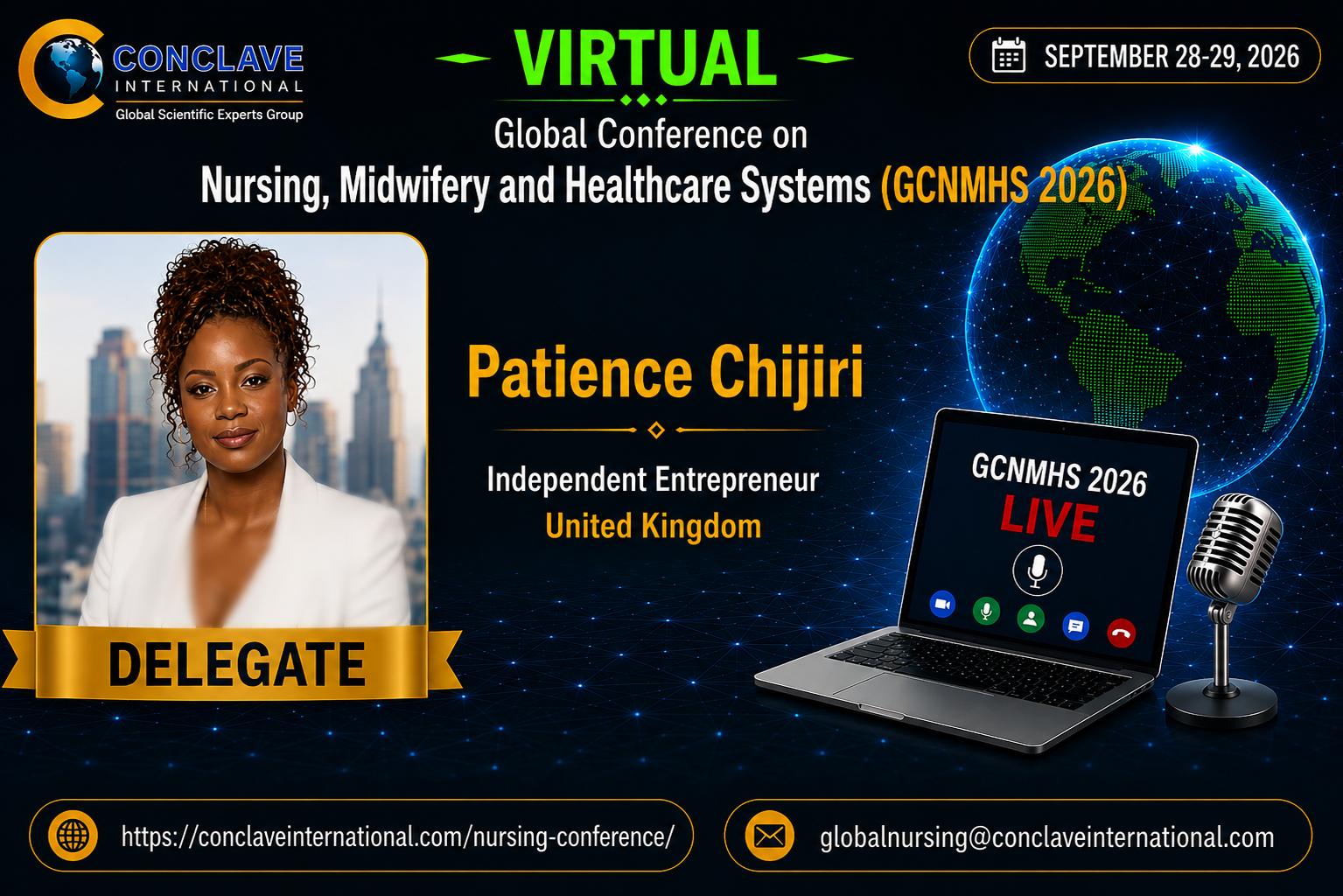
Patience Chijiri
Independent Entrepreneur
United Kingdom

Nitanjali Patil
Associate Professor
Krishna Institute of Nursing Sciences Karad, India

Salim Moidin
Nurse Manager
Manchester, UK
More SPEAKERS Will be Announced Shortly…
Nursing Conference
Conclave International is pleased to extend a warm welcome to the Virtual Global Conference on Nursing, Midwifery and Healthcare Systems scheduled for September 28-29, 2026 under the theme “Transforming Nursing and Midwifery for a Sustainable Global Health System.” Through its Open Access Initiative, Conclave International is committed to making genuine, reliable and high quality contributions to the global scientific community. In support of improving patient care, this Global Nursing Conference has been carefully planned and implemented to provide continuing education and professional development opportunities for the entire healthcare team.
Scope and Importance
Nursing and Midwifery play a vital role in maintaining and improving health, preventing disease, monitoring patient’s health status, vital signs, assisting in medical and surgical procedures, ensuring safe motherhood and child survival. Their wide scope and importance make them essential pillars of the healthcare system in maternal and child healthcare, education and training to patients, families, community and public health home visits, training student nurses, healthcare workers, care for vulnerable groups (elderly, disabled, mothers, children), disaster and emergency care. Lifestyle community health programs, educating on nutrition health, hygiene, immunization and early detection of diseases are conducted for an appropriate healthcare services.
Who can attend?
Professors, leading university representatives, directors of associations and professional societies, staff nurses, clinical nurses, nurse specialists, midwives and midwifery students (Diploma, Undergraduate, Postgraduate, and PhD), nurse educators and faculty members, healthcare professionals (including doctors, physiotherapists, pharmacists and public health professionals), health program officers, researchers, academicians, healthcare administrators and managers, NGO representatives, community health workers, healthcare consultants, industry professionals, allied health professionals, health informatics and telemedicine professionals are invited to attend.
The Nursing, Midwifery and Healthcare Systems 2026 Conference is open to a wide range of participants and aims to bring together individuals with an interest in diverse fields of nursing, including critical care, adult and women’s health, pediatric and emergency nursing, midwifery and public health. The conference provides a dynamic platform to explore issues of mutual concern, exchange knowledge, share evidence and ideas.
Why to attend?
Nursing and Midwifery conference is very important and is more than just a certificate or a break from routine, it’s a real investment in your professional growth. It is beneficial for the students, physicians, nurses, doctors, health care people and professors to stay connected with latest evidence based practices, new technologies, emerging trends in nursing, midwifery care and networking with nurses, midwives, educators, researchers and leaders. Nursing conferences will provide exposure and possibilities in Nursing. Career development conferences support career growth by improving clinical leadership and research skills by enhancing your CV opening doors to higher studies, specialization or promotions. We assure our attendees return to their hospitals with a confidence to improve their nursing practice and equipped with certified procedures to work with and to learn about latest practices to improve patient care and safety to build a network having face to face meetings to increase business opportunities for research and market competitors.
SESSION TRACKS
1.TYPES OF NURSING
2. NURSING SAFETY
3. PATIENT SAFETY AND HEALTHCARE
4. NURSING INFORMATICS AND MANAGEMENT
5. NURSING CAREER AND EDUCATION
6. MIDWIFERY AND WOMENS HEALTH
7. NURSING RESEARCH AND EVIDENCE BASED PRACTICE
8. TELEMEDICINE AND E-HEALTH
9. FUTURE OF NURSING
10. AI IN NURSING
11. TRAUMA NURSING
12. TRADITIONAL NURSING
13. MENTAL HEALTH, PSYCHOLOGY & BEHAVIORAL SCIENCES IN HEALTHCARE
Nursing 2026 – Academic & Science-Oriented Conference Tracks
Track 1: Types of Nursing
Each type of nursing focuses on a specific area of patient care, health promotion, disease prevention or specialized professional practice.
- Clinical Nursing – provides direct patient care in healthcare settings.
- Community & Public Health Nursing – promotes health and disease prevention at the community level.
- Pediatric Nursing – provides healthcare to infants, children and adolescents.
- Critical Care Nursing – cares for patients with life-threatening conditions.
- Psychiatric Nursing – supports patients with psychological and emotional disorders.
- Oncology Nursing – provides care and support to patients with cancer.
- Environmental Health Nursing – promotes health by addressing environmental and occupational risks.
- Rehabilitation Nursing – helps patients recover and regain independence after illness or injury.
- Specialized Nursing – delivers expert care in specific clinical areas.
- Legal Nursing – applies nursing expertise to legal and forensic cases.
- Travel Nursing – Temporary nursing assignments across different locations.
Track 2: Nursing Safety
Nursing Safety refers to the measures and practices used by nurses to protect patients themselves and others from harm during healthcare delivery. Importance of nursing safety reduces medical errors, prevents injuries and infections, protects nurses and patients. Key aspects includes hand hygiene, use of personal protective equipment, safe disposal of waste maintaining a clean environment, medication safety for checking drug allergies, proper labeling and storage of drugs, accurate documentation, workplace safety for nurses, safe handling of patients from needle-stick injuries, stress management and environmental safety.
Track 3: Patient Safety & Healthcare
Patient Safety is a technical field and everything done to support a person’s health and well- being focused on enhancing healthcare quality through the methodical prevention in the form of screenings and immunizations, diagnosis & treatment, emotional & psychological support, safety & quality. This safety focuses on reduction, reporting and analysis medical errors. Today, patient safety is a distinct healthcare discipline supported by an ever evolving scientific framework. Quality Patient Healthcare depends on dependable health care information.
Track 4: Nursing Informatics & Management
Nursing Informatics is the incorporation of informatics in nursing which bridges a healthcare organization systems, nursing staff and providers including nurse practitioners and certified nurse midwives. It is the use of technology that is fast- growing to improve patient care, nursing practice and health outcomes.
Nursing Management focuses on leadership, organization and coordination of nursing services like planning, organizing, staffing, directing and controlling. Key responsibilities include staffing and scheduling, budgeting and resource allocation, performance evaluations, policy development and team leadership ensuring quality and patient safety standards.
Nursing Informatics and Management together improves patient outcomes, support nurse satisfaction and retention, increase efficiency and safety, strengthen healthcare leadership.
Track 5: Nursing Career and Education
A Nursing Career provides diverse professional pathways with opportunities in hospitals, community health centers, educational institutions, research organizations and public health services. In a nursing career, nurses can work as staff nurses, nurse educators, administrators and researchers. The role of nurses includes identifying clinical problems, collecting and analyzing data and applying research findings.
Nursing Education prepares individuals with the knowledge, skills and professional values required to deliver safe and effective nursing care. It also includes both theoretical learning and clinical training.
Track 6: Midwifery & Women’s Health
Midwifery and Women’s Health is all about holistic, respectful care across a woman’s life which covers care across the entire lifespan and not just pregnancy.
Midwifery focuses on providing care to women during pregnancy, labor, birth, postpartum, family planning, contraception counseling, identifying complications and newborns feeding support. The midwifery care is associated with lower rates of C- sections, fewer preterm births and higher patient satisfaction.
Women’s Health care provides comprehensive quality obstetrics and gynecology care with the warmth responsiveness and accessibility of a community based practice with the key areas like reproductive, sexual health, menstrual health, fertility, prenatal and postnatal care, menopause and aging, prevention, screening and mental health.
Track 7: Nursing Research and Evidence Based Practice
Nursing Research is a systematic process of inquiry that generates new knowledge to improve nursing practice, education and healthcare delivery. It provides evidence supporting nursing practices of 2 types, Quantitative research and Qualitative research . It identifies clinical problems and tests nursing interventions, improves patient outcomes, quality care and strengthens the scientific foundation of nursing.
Evidence-Based Practice is the integration of best available research evidence, clinical expertise of nurses, patient preferences and values. It integrates the best available research evidence with clinical expertise and patient preferences to guide decision making. It ensures that you’re not just operating outdated practices instead nurses stay equipped with current treatment approaches.
Relationship between Nursing Research and EBP is research creates evidence whereas EBP applies that evidence in real clinical settings together they ensure nursing care is current, effective and patient centered.
Track 8: Telemedicine and E-health
Telemedicine and E-health are transforming healthcare by making services more accessible, efficient and patient centered especially important in modern nursing and healthcare system taking care of medication adherence, data collection and challenges like data privacy and ethical concerns.
Telemedicine is the delivery of healthcare services at a distance using digital technologies such as video calls, mobile apps and remote monitoring devices. It allows patients to consult doctors, nurses and other healthcare professionals without visiting a healthcare facility.
E-health is a broader concept that includes the use of information and communication technologies (ICT) in healthcare. It covers electronic health records (EHRs), health information systems, mobile health (mHealth) and online health education.
Track 9: Future of Nursing
The Future of Nursing is shaped by rapid advancements in healthcare technology, evolving patient needs and expanded professional roles. Nurses will play a leading role in EBP, clinical decision making and interdisciplinary collaboration ensuring high quality outcomes across hospitals, community and home based settings. Nurses will increasingly integrate digital health tools, telemedicine, artificial intelligence and electronic health. The decade ahead will test the nation’s of about almost 4 million nurses in new and complex ways. The future of nursing keeps costs at bay utilizing technology and maintaining patient and family focused care. By 2035 Nursing will look very different than it does now like nurses will have a greater establishing healthcare regulations using new technology.
Track 10: AI in Nursing
Artificial Intelligence analyzes data, support clinical decisions and improve patient care. Using AI in nursing improves accuracy and quality care, saves time, reduces nurse workload, enhances patient safety and supports evidence based practice. AI programs are being applied to practices such as diagnostics to evaluate patient data spotting early disease symptoms and suggesting courses of action, drug development , personalized medicine and monitoring patient care. AI integrated chatbots and AI- powered chatbots will help nurses with patient inquiries and medication compliance tracking. AI in healthcare presents unprecedented ethical concerns related to issues such as data privacy , automation of jobs and amplifying already existing algorithmic bias . Robotic assistants, AI-powered diagnostic tools and intelligent monitoring systems will help nurses provide patient care increasing productivity.
Track 11: Trauma Nursing
Trauma Nursing is a specialized field that focuses on rapid, life-saving care for critically injured patients with serious and life-threatening injuries such as accidents, burns, and emergencies. It demands quick decisions, strong skills, and calmness under pressure.
Trauma nurses work in emergency departments, disaster situations, trauma centers, and intensive care units where rapid interventions are critical to save lives when every second counts.They play a vital role in stabilizing patients, managing pain, and ensuring patient-safety and are trained to assess, stabilize and monitor critically injured patients.
Trauma nurses coordinate with surgeons, paramedics and ICU teams to ensure smooth patient transitions and often participate in research and training to improve emergency care protocols.
Track 12: Traditional Nursing
Traditional Nursing refers to the fundamental and time-tested practices of providing direct, compassionate, and patient-centered care. It includes Bedside patient care, Monitoring vital signs and patient conditions, Administering medications, Assistingwith hygiene and daily activities, Providing emotional support and wound care.
It emphasizes maintaining patient safety through established clinical procedures and effective nurse-patient communication.
Track 13: Mental Health, Psychology & Behavioral Sciences in Healthcare
Mental health and Psychology are essential components of modern nursing, as nurses play a vital role in addressing both the physical and emotional needs of patients. By understanding behavioral and psychological factors, nurses can improve patient outcomes, treatment adherence and overall well-being. This integration enhances communication, supports recovery and helps nurses to prevent burnout. With the rising cases of stress, anxiety, depression and trauma, incorporating mental health into nursing is crucial for delivering holistic and patient-centered care.
Track 1: Types Of Nursing
Each type of nursing focuses on a specific area of patient care, health promotion, disease prevention or specialized professional practice.
- Clinical Nursing – provides direct patient care in healthcare settings.
- Community & Public Health Nursing – promotes health and disease prevention
at the community level. - Pediatric Nursing – provides healthcare to infants, children and adolescents.
- Critical Care Nursing – cares for patients with life-threatening conditions.
- Mental Health Nursing – supports patients with psychological and emotional
disorders. - Oncology Nursing – provides care and support to patients with cancer.
- Environmental Health Nursing – promotes health by addressing environmental
and occupational risks. - Rehabilitation Nursing – helps patients recover and regain independence after
illness or injury. - Specialized Nursing – delivers expert care in specific clinical areas.
- Legal Nursing – applies nursing expertise to legal and forensic cases.
- Travel Nursing – Temporary nursing assignments across different locations.
Track 2: Nursing Safety
Nursing Safety refers to the measures and practices used by nurses to protect patients themselves and others from harm during healthcare delivery. Importance of nursing safety reduces medical errors, prevents injuries and infections, protects nurses and patients. Key aspects includes hand hygiene, use of personal protective equipment, safe disposal of waste maintaining a clean environment, medication safety for checking drug allergies, proper labeling and storage of drugs, accurate documentation, workplace safety for nurses, safe handling of patients from needle-stick injuries, stress management and environmental safety.
Track 3: Patient Safety & Health care
Patient Safety is a technical field and everything done to support a person’s health and well- being focused on enhancing healthcare quality through the methodical prevention in the form of screenings and immunizations, diagnosis & treatment, emotional & psychological support, safety & quality. This safety focuses on reduction, reporting and analysis medical errors. Today, patient safety is a distinct healthcare discipline supported by an ever evolving scientific framework. Quality Patient Healthcare depends on dependable health care information.
Track 4: Nursing Informatics & Management
Nursing Informatics is the incorporation of informatics in nursing which bridges a healthcare organization systems, nursing staff and providers including nurse practitioners and certified nurse midwives. It is the use of technology that is fast- growing to improve patient care, nursing practice and health outcomes.
Nursing Management focuses on leadership, organization and coordination of nursing services like planning, organizing, staffing, directing and controlling. Key responsibilities include staffing and scheduling, budgeting and resource allocation, performance evaluations, policy development and team leadership ensuring quality and patient safety standards.
Nursing Informatics and Management together improves patient outcomes, support nurse satisfaction and retention, increase efficiency and safety, strengthen healthcare leadership.
Track 5: Nursing Career and Education
A Nursing Career provides diverse professional pathways with opportunities in hospitals, community health centers, educational institutions, research organizations and public health services. In a nursing career, nurses can work as staff nurses, nurse educators, administrators and researchers. The role of nurses includes identifying clinical problems, collecting and analyzing data and applying research findings.
Nursing Education prepares individuals with the knowledge, skills and professional values required to deliver safe and effective nursing care. It also includes both theoretical learning and clinical training.
Track 6: Midwifery & Women’s health
Midwifery and Women’s Health is all about holistic, respectful care across a woman’s life which covers care across the entire lifespan and not just pregnancy.
Midwifery focuses on providing care to women during pregnancy, labor, birth, postpartum, family planning, contraception counseling, identifying complications and newborns feeding support. The midwifery care is associated with lower rates of C- sections, fewer preterm births and higher patient satisfaction.
Women’s Health care provides comprehensive quality obstetrics and gynecology care with the warmth responsiveness and accessibility of a community based practice with the key areas like reproductive, sexual health, menstrual health, fertility, prenatal and postnatal care, menopause and aging, prevention, screening and mental health.
Track 7: Nursing Research and Evidence Based Practice
Nursing Research is a systematic process of inquiry that generates new knowledge to improve nursing practice, education and healthcare delivery. It provides evidence supporting nursing practices of 2 types, Quantitative research and Qualitative research . It identifies clinical problems and tests nursing interventions, improves patient outcomes, quality care and strengthens the scientific foundation of nursing.
Evidence-Based Practice is the integration of best available research evidence, clinical expertise of nurses, patient preferences and values. It integrates the best available research evidence with clinical expertise and patient preferences to guide decision making. It ensures that you’re not just operating outdated practices instead nurses stay equipped with current treatment approaches.
Relationship between Nursing Research and EBP is research creates evidence whereas EBP applies that evidence in real clinical settings together they ensure nursing care is current, effective and patient centered.
Track 8: Telemedicine and E-health
Telemedicine and E-health are transforming healthcare by making services more accessible, efficient and patient centered especially important in modern nursing and healthcare system taking care of medication adherence, data collection and challenges like data privacy and ethical concerns.
Telemedicine is the delivery of healthcare services at a distance using digital technologies such as video calls, mobile apps and remote monitoring devices. It allows patients to consult doctors, nurses and other healthcare professionals without visiting a healthcare facility.
E-health is a broader concept that includes the use of information and communication technologies (ICT) in healthcare. It covers electronic health records (EHRs), health information systems, mobile health (mHealth) and online health education.
Track 9: Future of Nursing
The Future of Nursing is shaped by rapid advancements in healthcare technology, evolving patient needs and expanded professional roles. Nurses will play a leading role in EBP, clinical decision making and interdisciplinary collaboration ensuring high quality outcomes across hospitals, community and home based settings. Nurses will increasingly integrate digital health tools, telemedicine, artificial intelligence and electronic health. The decade ahead will test the nation’s of about almost 4 million nurses in new and complex ways. The future of nursing keeps costs at bay utilizing technology and maintaining patient and family focused care. By 2035 Nursing will look very different than it does now like nurses will have a greater establishing healthcare regulations using new technology.
Track 10: AI in Nursing
Artificial Intelligence analyzes data, support clinical decisions and improve patient care. Using AI in nursing improves accuracy and quality care, saves time, reduces nurse workload, enhances patient safety and supports evidence based practice. AI programs are being applied to practices such as diagnostics to evaluate patient data spotting early disease symptoms and suggesting courses of action, drug development , personalized medicine and monitoring patient care. AI integrated chatbots and AI- powered chatbots will help nurses with patient inquiries and medication compliance tracking. AI in healthcare presents unprecedented ethical concerns related to issues such as data privacy , automation of jobs and amplifying already existing algorithmic bias . Robotic assistants, AI-powered diagnostic tools and intelligent monitoring systems will help nurses provide patient care increasing productivity.
Market Analysis of Global Nursing (2020–2030)
The Global Nursing Sector is one of the fastest-growing segments within healthcare, driven by rising patient needs, aging populations and increasing demand for quality care.
The demand for nurses is expected to grow significantly through 2030 and beyond.
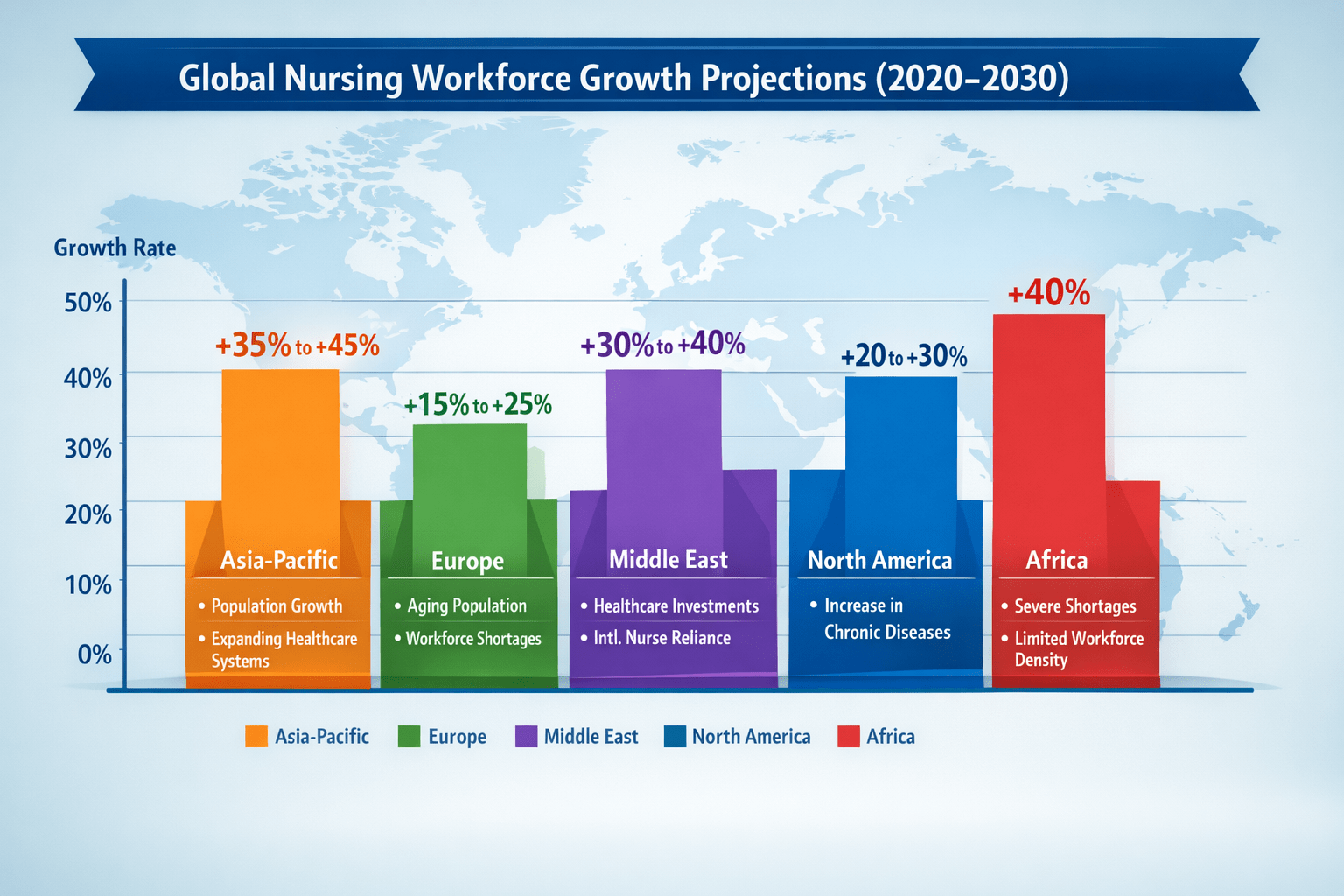
Region-Wise Estimated Growth (2020–2030)
1. Asia-Pacific – Estimated growth: +35% to +45% due to: Population growth and Expansion of healthcare systems.
2. Europe: +15% to +25%
Aging population and workforce shortages.
3. Middle East: +30% to +40%
Driven by Healthcare investments and Reliance on international nurses.
4. North America: +20% to +30% – Driven by Chronic disease increase.
5. Africa: +40% – Severe shortages remain and Limited workforce density.
Global Nursing Education & Workforce Distribution
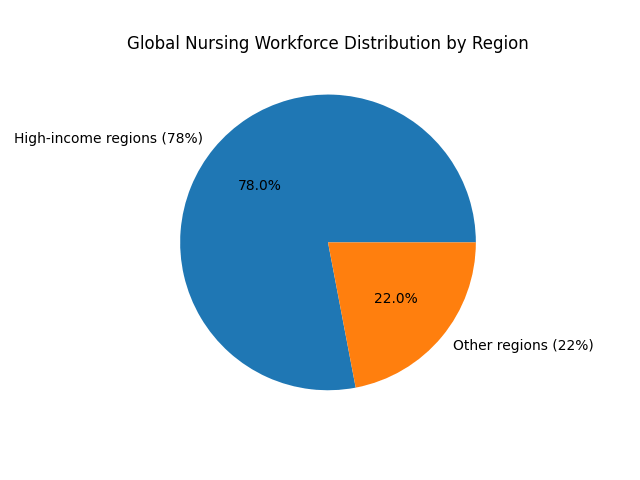
78% of the Global Nursing workforce is concentrated in high-income regions, highlighting the growing need for nursing education expansion worldwide.
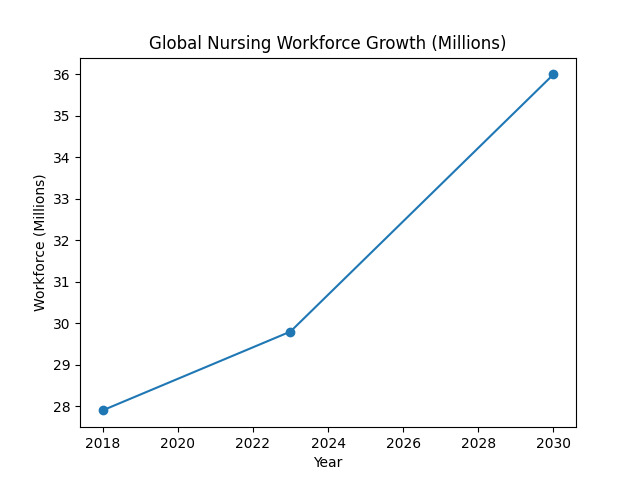
Nursing Education is expanding globally, supporting a workforce that grew from 27.9 million in 2018 to 29.8 million in 2023 (≈7% increase), reflecting rising demand for trained professionals. By 2030, the global nursing workforce is projected to reach ~36 million (≈20% growth), driven by increasing healthcare needs, aging populations, and expansion of nursing education systems worldwide.
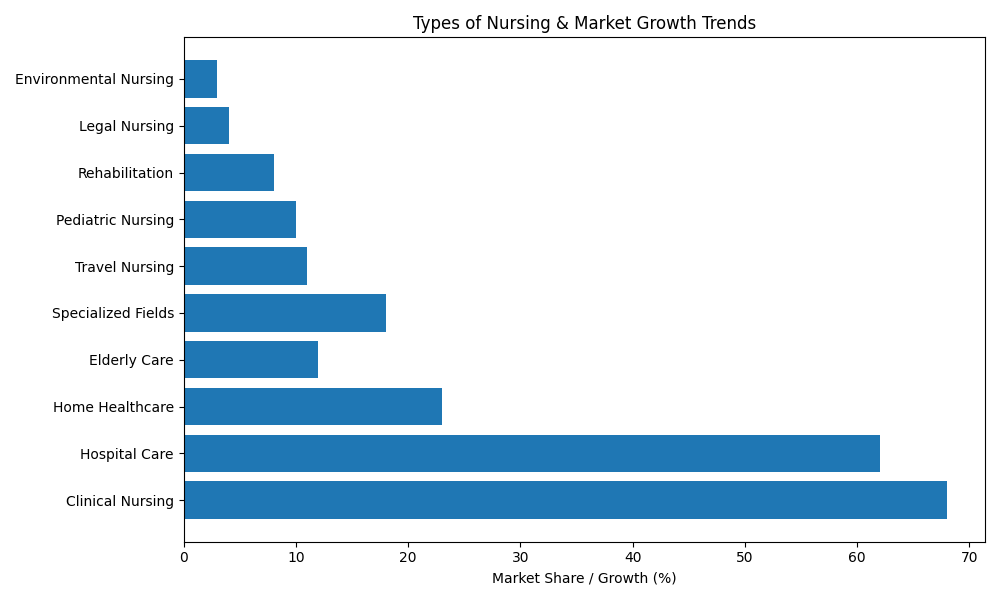
Types of Nursing & Market Growth Trends
The Global Nursing Sector is one of the fastest-growing segments within healthcare, driven by rising patient needs, aging populations and increasing demand for quality care.
The demand for nurses is expected to grow significantly through 2030 and beyond.
1.The nursing market is dominated by Clinical Nursing (~65–70%), followed by Hospital care (~60–65%) followed by Home Healthcare (~20–25%) and Elderly care (~10–15%).
2. Specialized fields like Critical Care, Oncology and Mental Health Nursing contribute ~15–20%, driven by rising chronic diseases.
3. Emerging areas like Travel Nursing (~10–12%), Pediatric (~8–12%),
Rehabilitation (~6–10%), Legal (~3–5%) and Environmental nursing
(~2–4%) are steadily expanding..
By 2030, Home and Community Nursing are expected to grow the fastest (~30–40% increase) highlighting a shift toward patient-centered and remote care.
Conference Schedule
Registration & Badge Collection
Opening Ceremony & Introduction
Keynote Session I
Refreshment Break
Keynote Session II
Lunch
Break Out Session I
Refreshment Break
Break Out Session II
Registration & Networking
Keynote Session III
Refreshment Break
Break Out Session IV
Keynote Session V
Lunch
Break Out Session VI
End Note Session and
Closing Ceremony
Contact Us
Serena Catherine
Have questions about participation, partnership, or speaking opportunities? Our team is here to help. Reach out to us—we’d love to hear from you and explore how we can collaborate in shaping the future of global knowledge sharing.